


Biindigen!・Bidgen! ・Come in!
Ktigaanig enji-maawnjidiying
・
Gteganêk ėthë mawtheshnoygo
・
The garden where we come together
Native students on campus come from nations all across Turtle Island (North America), representing a multicultural community. The land the University of Michigan occupies is the ancestral and contemporary homeland of the Anishinaabek.
The signs around this garden recognize and celebrate the Anishinaabek and Native Community on campus. Anishinaabemowin, the language of the Anishinaabek, is used on these signs alongside English. There are variation in spelling reflecting different dialects.
The three large Mishoomis Asiniig (Grandfather stones) found in the garden are by Anishinaabe artist Jason Quigno and you are invited to interact with them.
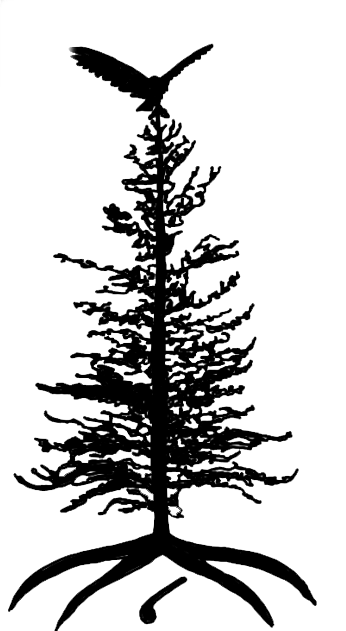
Behind you stands Nokomis Giizhik (Grandmother cedar) – one of the most sacred and significant trees for the Anishinaabek, the first people of Michigan. This tree was planted to signify a new path and new stories for the future.


The First Relatives: Plants
Plants are the first relatives, existing before animals and humans. The Anishinaabek cannot live without plants, but plants actually thrive without humans. Plants provide for the Anishinaabek in terms of food, shelter, transportation, tools, medicines, and cultural use. This garden features a few special plants that continue to help the Anishinaabek and other relatives.
Oginiiwatig (wild rose) is a native flower. Like so many plants, oginiiwatig offers numerous gifts to the Anishinaabek. It is medicinal. When it is in full bloom, the wild rose notifies the Anishinaabek when it is safe to harvest bark from the birch tree. Birch bark (wiigwaas) is one of the most important resources, used for canoes, covering wigwams, creating art, and more. Climate change is affecting plant habitats, making it harder for the Anishinaabek to harvest native plants using the same methods as their ancestors.
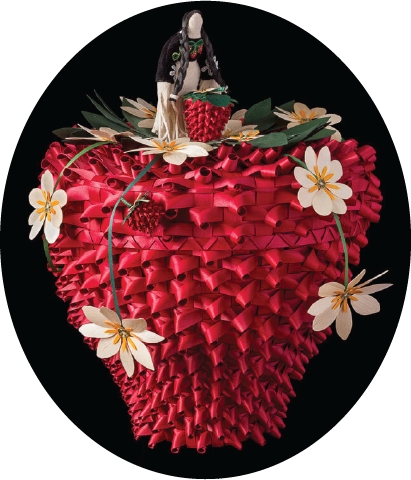
Odemin (strawberry) is called the “heart berry.” It resembles the heart and has numerous health benefits. In the Anishinaabek world, plants tell time and place. For the Michigan Anishinaabek, June is the “Odemin-giizis” (strawberry moon). July and August are “Min-giizis” (“berry moon”) for raspberries, blackberries, and blueberries. September is the “Manoomin-giizis” (wild rice moon). Many ceremonial feasts have strawberries and other Indigenous foods, such as ghost suppers to feed ancestors, and coming-of-age ceremonies. Odemin even defines some Anishinaabek, as it is a family name in Michigan.


Plants, The Most Generous Relation
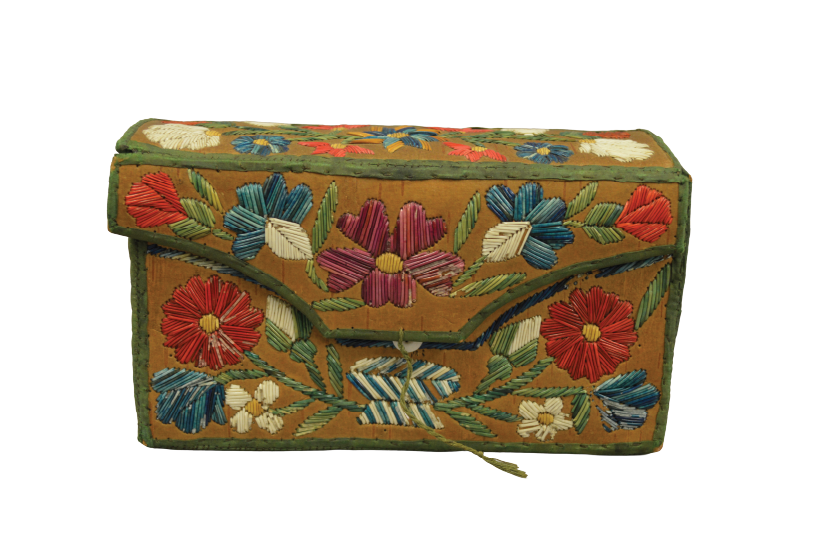
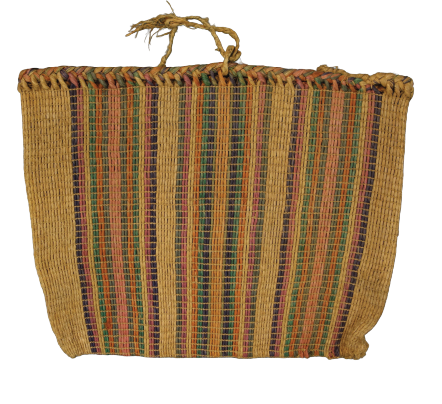
Plants provide the tools for the Anishinaabek to make life possible in the Great Lakes. From the maple tree, spoons, bowls, ladles, and war clubs are created. Birch bark is used for making canoes, covering lodges, and making containers. Cattails and bullrushes are used to make bags and mats. The black ash tree is used to make baskets, snowshoes, and bows.
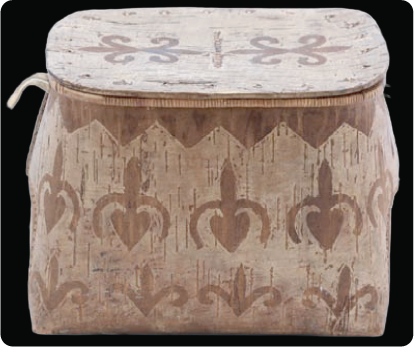
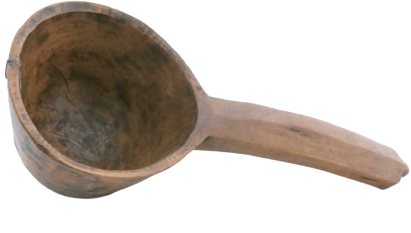
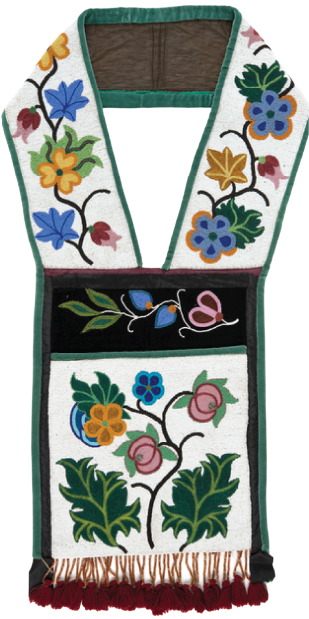
Certain items made from plants transcend everyday use by serving as sacred objects in ceremonies. Sacred objects include bowls, pipe stems, bags, and effigies. Powerful manidoog (mnedok; manitou; spirits) are often placed on the items.
For centuries, Indigenous belief systems were outlawed and oppressed. Through diligent activism and dedication to their beliefs, Native peoples have fought to have their ways honored and their sacred items returned. In 1990, the Native American Graves Protection and Repatriation Act (NAGPRA) was passed. This federal law allows for Tribes and individuals of Native American descent to claim ancestral human remains and sacred objects. The Tribes in Michigan have been working to have their people and items returned under the law.


Miijim ・Food
The Anishinaabek relied on their plant relations for subsistence. Food comes in many forms, from organized gardens to gathering from the land. Anishinaabek farmers primarily grew many varieties of corn, bean, and squash. Together, this trio is known as the “three sisters.” One version of this story is about three sisters who had overcome their differences to help each other. Corn, beans, and squash thrive when grown together. Alone, they struggle.
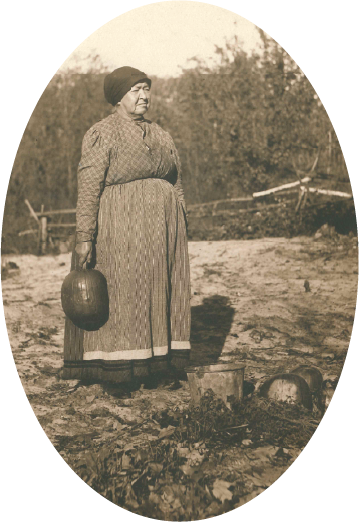
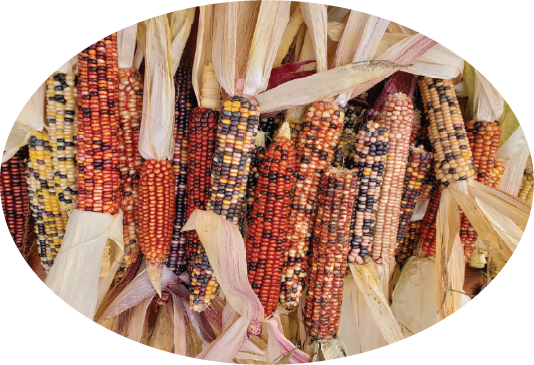
In the Anishinaabek world, March is known as Ziisbaakdoke-giizis (sugar moon). Each spring, Anishinaabek families would relocate to their sugaring grounds to tap maple trees in order to make sugar. Maple sugar was made by the ton. It proved to be an important trade item and a staple of the diet. Michigan Anishinaabek continued to derive income from sugar well into the 20th century. Today, native communities in Michigan are working to revitalize traditional food sources and establish greater food sovereignty. Efforts on campus include cultural feasts, planting of gardens, and educational efforts to protect endangered habitat.
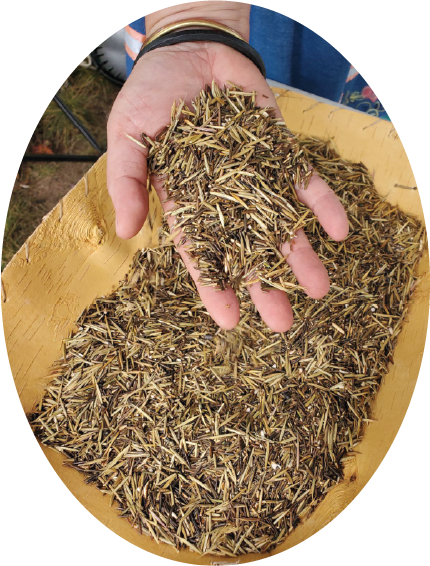
Another important food source is manoomin (mnomen; miinomin; wild rice). While not as prevalent as the three sisters in southern Michigan, manoomin was still harvested in small lakes and along rivers, although today it has largely disappeared from southeast Michigan. Manoomin was involved in food trade across the Great Lakes. Corn from here would be traded for manoomin in Minnesota. Trade networks extended thousands of miles. These networks relied on agreements, kinship networks, and mutual interests. Anishinaabek governing was often carried out through the trade of food.


A Delicate Balance
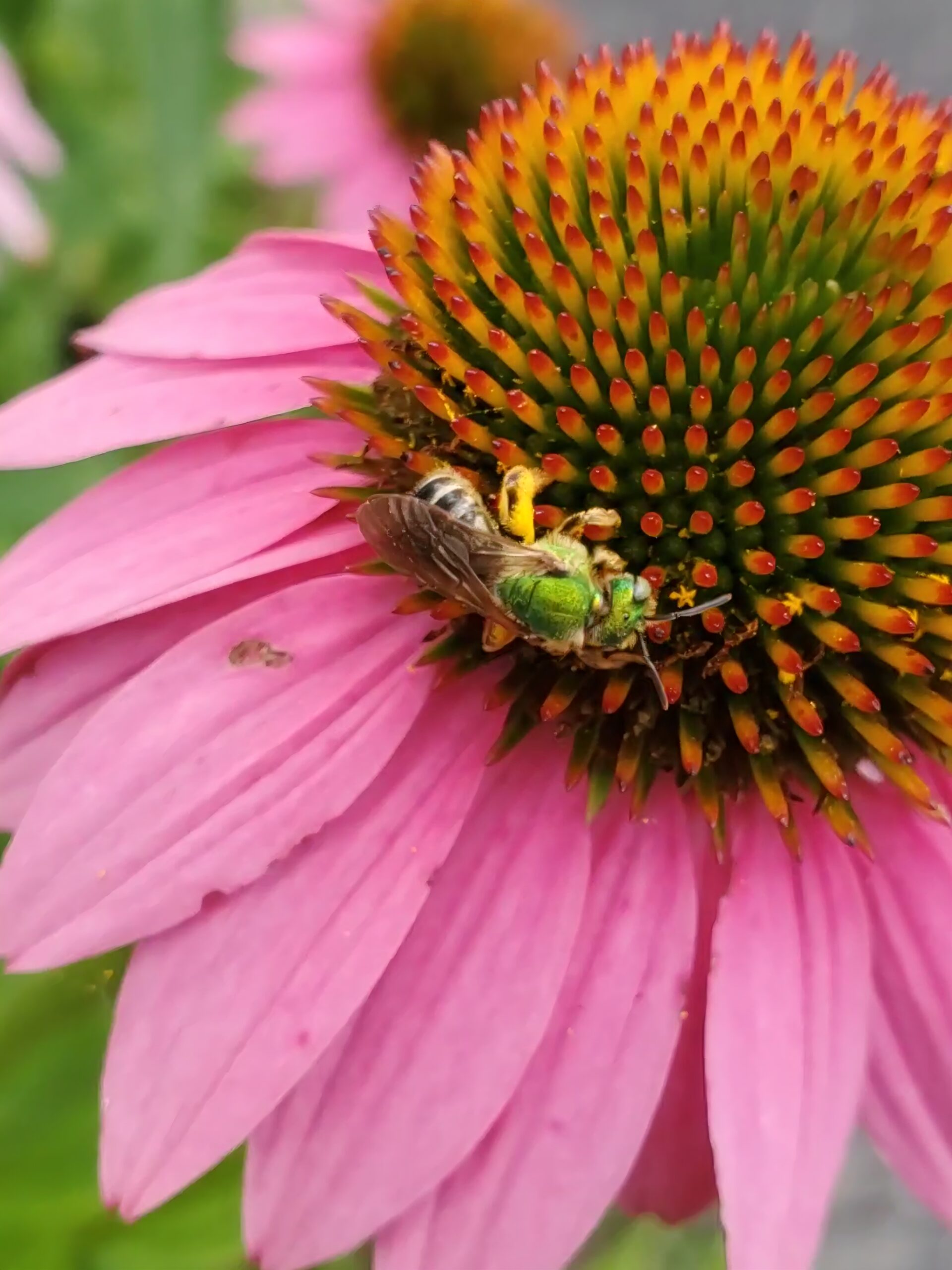
Plants rely on help from other relatives to exist. Manidoosag (mnedosé; manidooshak; insects), bineshiinyag (pnéshiyek; bineshiinhak; birds), apakwaanaajiinyag (babishagwnegwéyek; bats), and mukwa (mkok; muhkwuhak; bears) are some of the helpers. Each assists in pollination in their own unique ways. Their literal translation for insects in Anishinaabemowin is “little spirits”, demonstrating the power insects have in the world. Amo (bee), the most famous pollinator, is but one of thousands of “little spirits” assisting in the world.
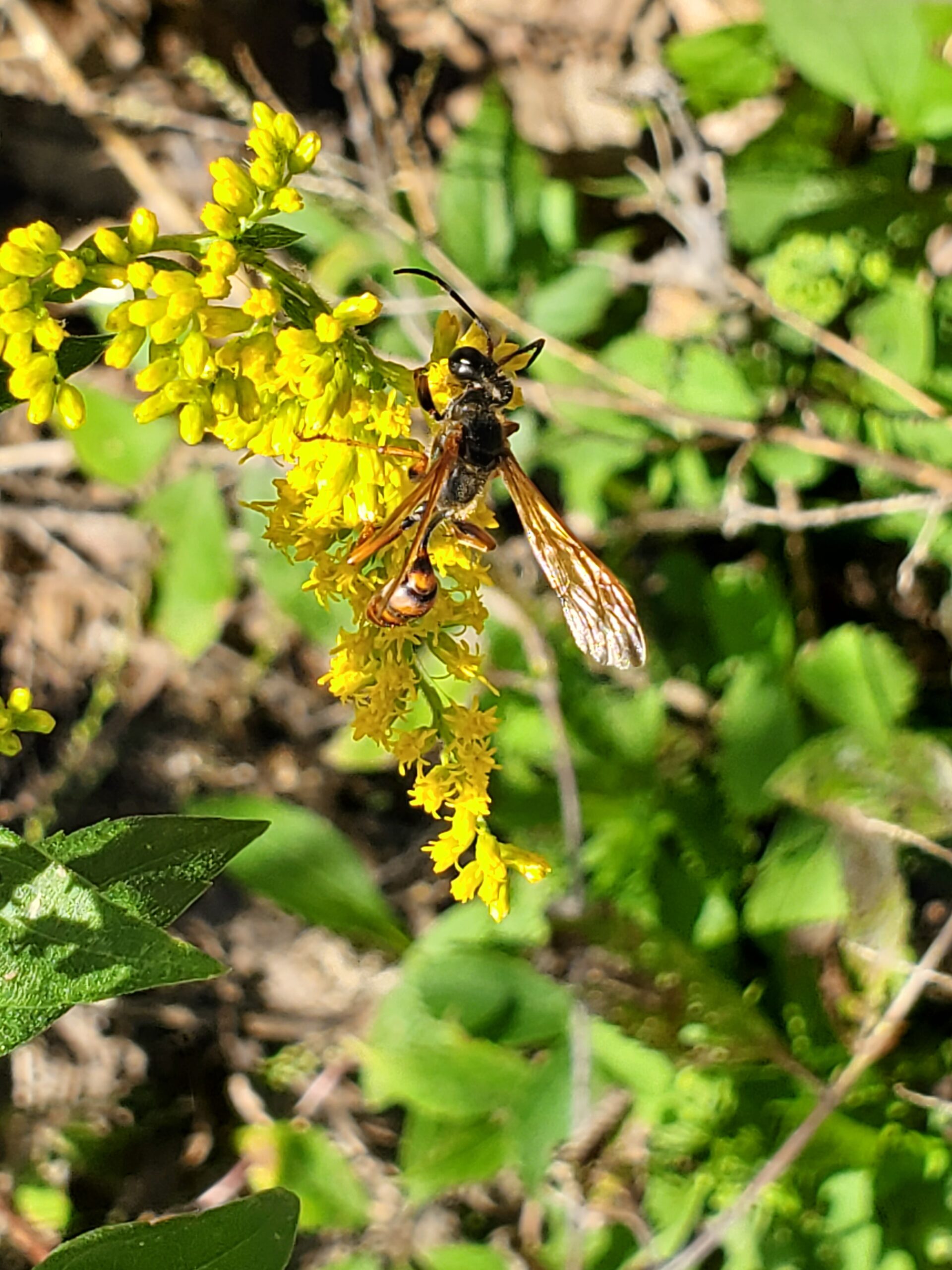
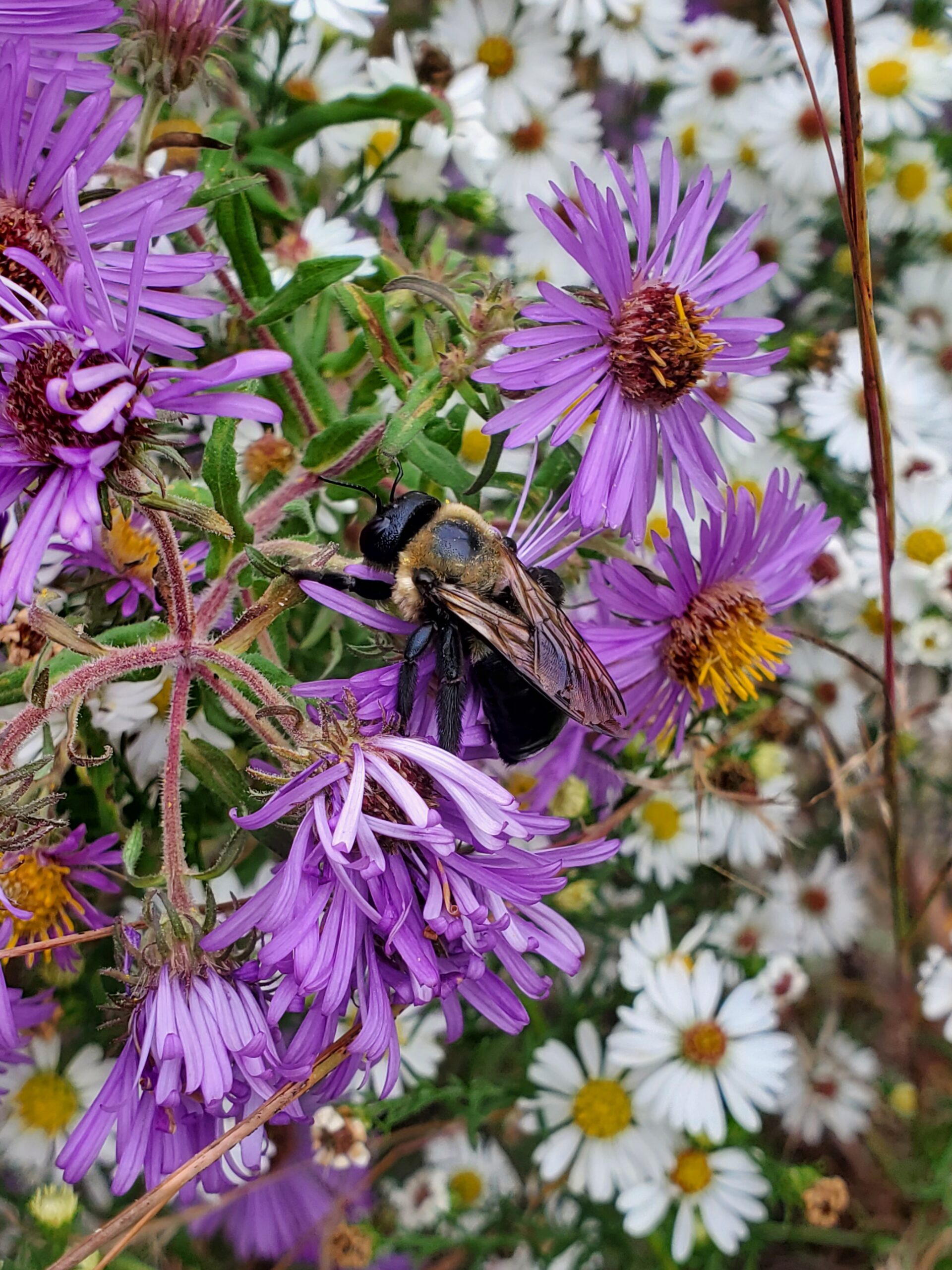
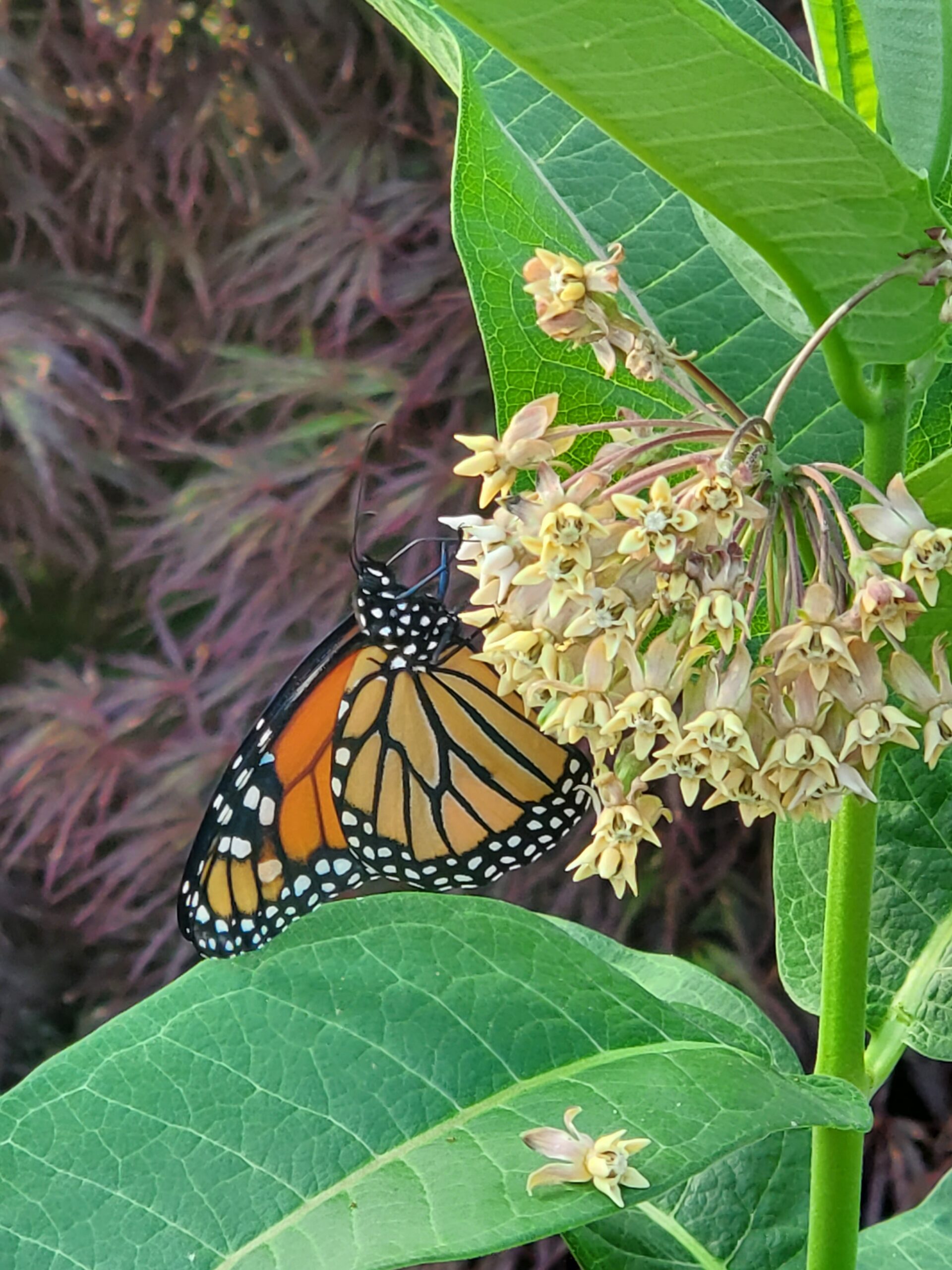
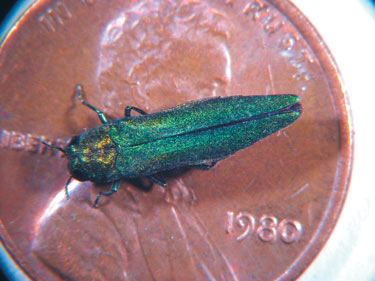
But not all insects are helpers in the Great Lakes. In recent years, insects from other parts of the world have been introduced here, creating chaos. One example is the emerald ash borer, which came here with plants from Asia. Once in North America, it found its favorite food to be the black ash tree. Within a few years, the ash borer devastated the black ash tree population in the Great Lakes. A tree that had provided for the Anishinaabek for countless generations is now in critical condition. Climate change favors the ash borer, as rising temperatures allow the bug to thrive. Long, cold winters of years past used to eliminate this unwanted guest. Efforts are being made by Tribes, universities, and others to preserve the black ash tree and the cultural knowledge and practices associated with it.


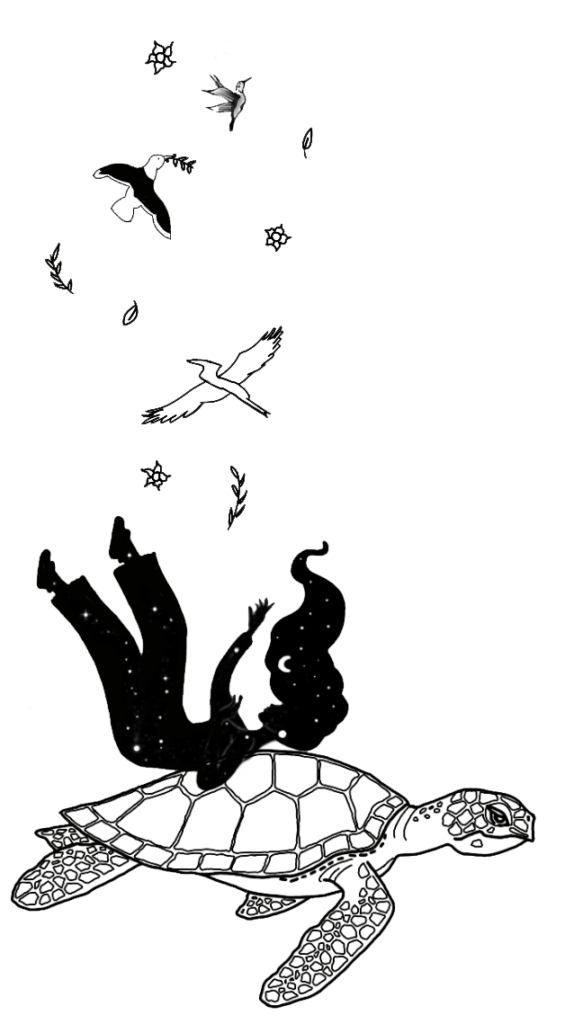
Illustrations by Elladiss Winter
The Anishinaabek
The Anishinaabek are the Indigenous people of Michigan. Often referred to as the “Three Fires,” the Anishinaabek are the Odawa/Ottawa, Ojibwe/Chippewa, and Bodéwadmi/Potawatomi. The Tribes are distinct yet share traditions and language. They often work together to tackle critical issues. There are many overlapping kinship ties among the Anishinaabek. The homelands of the Anishinaabek extend beyond Michigan, stretching from Quebec to Montana. Today, there are twelve federally recognized Tribes in Michigan, each operating as a Tribal, sovereign nation that interacts with local, state, and federal governments, as well as the public.
There are numerous smaller Tribes within the larger Odawa, Ojibwe, and Potawatomi. The smaller Tribes often name themselves after their locations or, sometimes, after a prominent leader. The Anishinaabek sometimes fought with other Nations, such as the Haudenosaunee and Lakota/Nakota/Dakota, but never went to war among themselves. Later, Anishinaabek warriors would band together to fight British and American armies to protect their lands in the Revolutionary War, Little Turtle’s War, and the War of 1812.
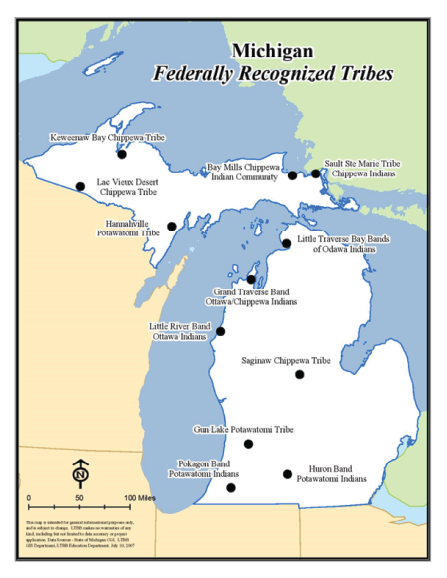
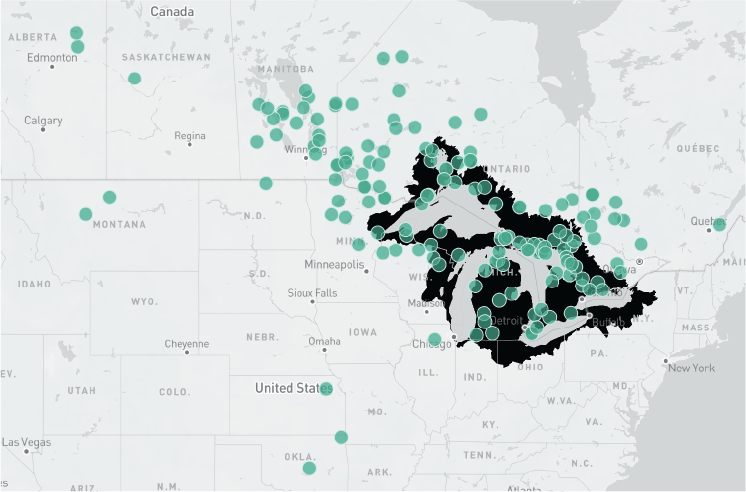
The Anishinaabek are a resilient people. This resiliency is directly tied to the land. After the wars concluded, the Anishinaabek had to fight against Indian Removal in the 1830s. The vast majority of Native populations east of the Mississippi River were relocated to Oklahoma and Kansas during this time. Through decisive leadership and vision for the future, numerous Tribes in Michigan negotiated treaties to remain in and have access to their homelands. Other battles would present themselves in the 20th century in the form of Indian Boarding Schools, assimilation policies, and assaults against the environment.

The Past and Future
Formed in 1902, the Michigamua honor society was a fixture at the University of Michigan. Initially made exclusively of males, Michigamua touted itself as a group of elite students, and was highly visible on campus during the early 1900s. Michigamua created its identity from the appropriation of Native Americans. Members painted their bodies red, wore generic “Indian” dress, and performed mock rituals as part of its proceedings.
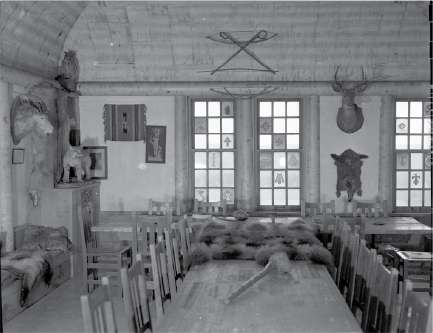
Due to complaints and activism by Native students across several decades, culminating in the 2000 occupation of the Michigamua headquarters in the Michigan Union, Michigamua began conducting its ceremonies away from the public eye. It reorganized itself as Order of Angell around 2007 and dissolved in 2021.

Some of these events took place right here on the Diag, like the initiation of new recruits tied to the large Tappan oak that once stood here. The actions of Michigamua were egregious in numerous ways, including the names members gave each other and the use of unrepatriated items sacred to Tribal populations. University presidents, professors, and others in positions of influence not only permitted Michigamua to operate – they were, in some cases, honorary members.
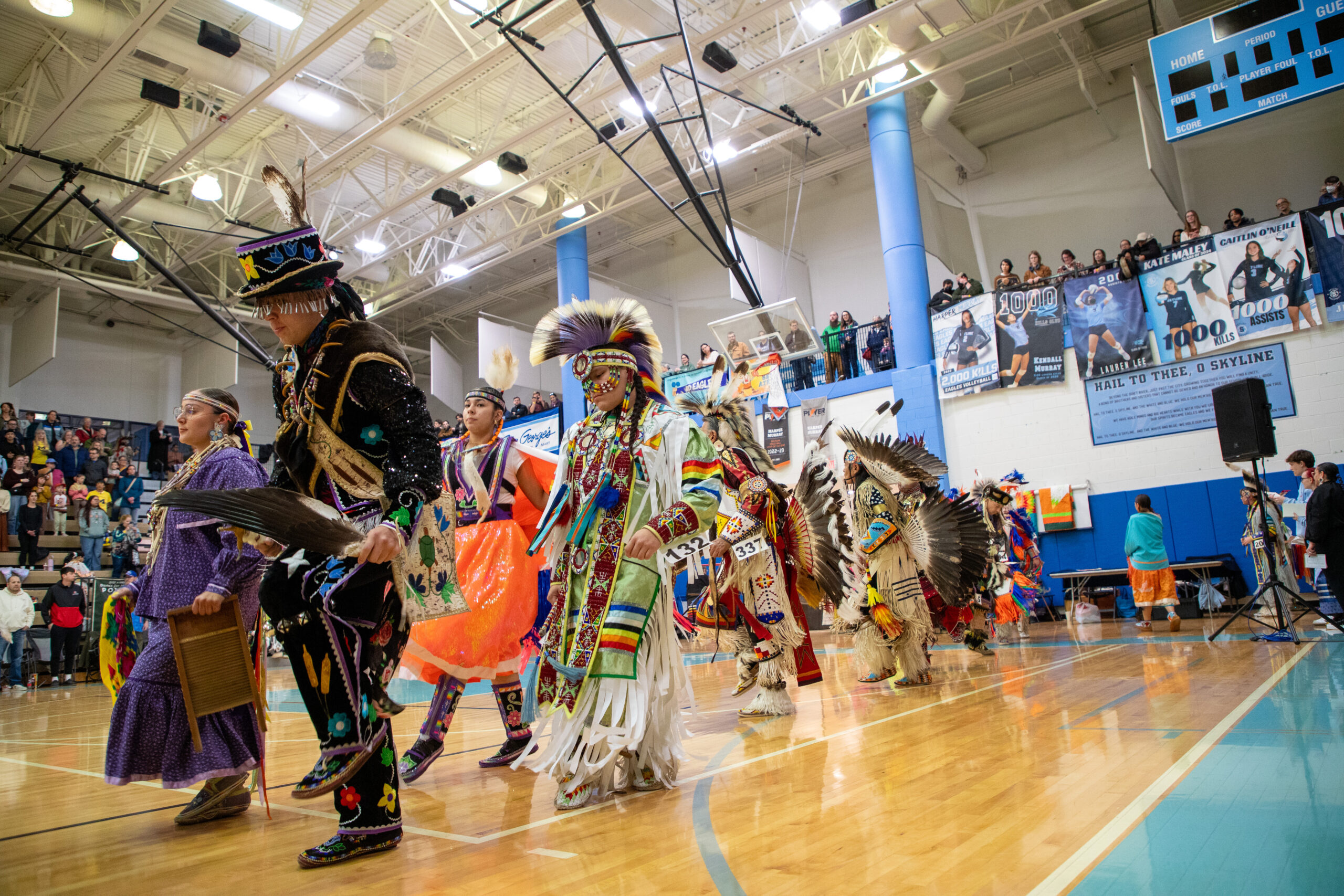
Native students and allies continue to advocate for themselves. Through activities including the annual Dance for Mother Earth Powwow, Fall Feast, community-engaged initiatives, and student activism, efforts continue to create space where Native culture is honored and celebrated.
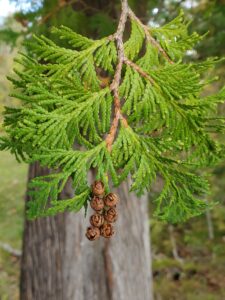
The Tappan Oak is no more, but it reminds us of the past in this space. In place of the oak, a giizhik (kishki; keshick; cedar) tree has been planted. Giizhik is one of the most sacred and significant trees for the Anishinaabek. This cedar signifies a new path and new stories for the future.